

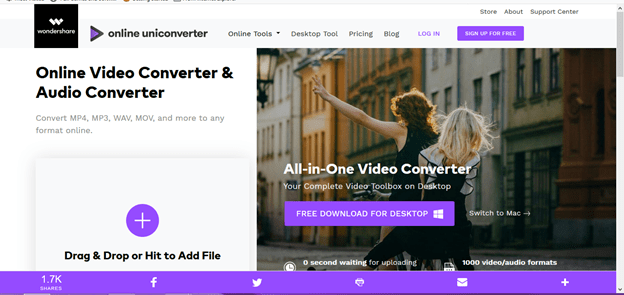
Online converter tools can turn files between formats without requiring desktop software. Common examples include document, image, audio, video, archive, and data conversions. Convenience is their main advantage, but users should consider privacy and security before uploading sensitive files.
Useful Features
- Support for the formats you actually need.
- Clear output-quality controls.
- Reasonable file-size limits.
- Batch conversion when multiple files are involved.
- Fast processing and clear download options.
- Transparent privacy and file-retention policies.
Check Privacy Before Uploading
A converter may need to upload your file to a remote server. Do not assume that deleting the download link means the uploaded file is immediately removed. Read the provider’s current privacy and retention information before using the service for confidential documents, customer information, financial records, or proprietary media.
Check Output Quality
Conversion is not always lossless. Video, audio, image, and document conversions can change quality, formatting, metadata, or embedded elements. Test the converted file before relying on it.
When Desktop Software Is Better
Offline tools may be preferable for sensitive files, repeated workflows, large batches, specialized formats, or organizations with strict data-handling requirements.
Final Takeaway
An online converter can be a convenient utility, but the best choice is not simply the site with the most supported formats. Check security, privacy, output quality, limits, and the sensitivity of the files you plan to process.
