
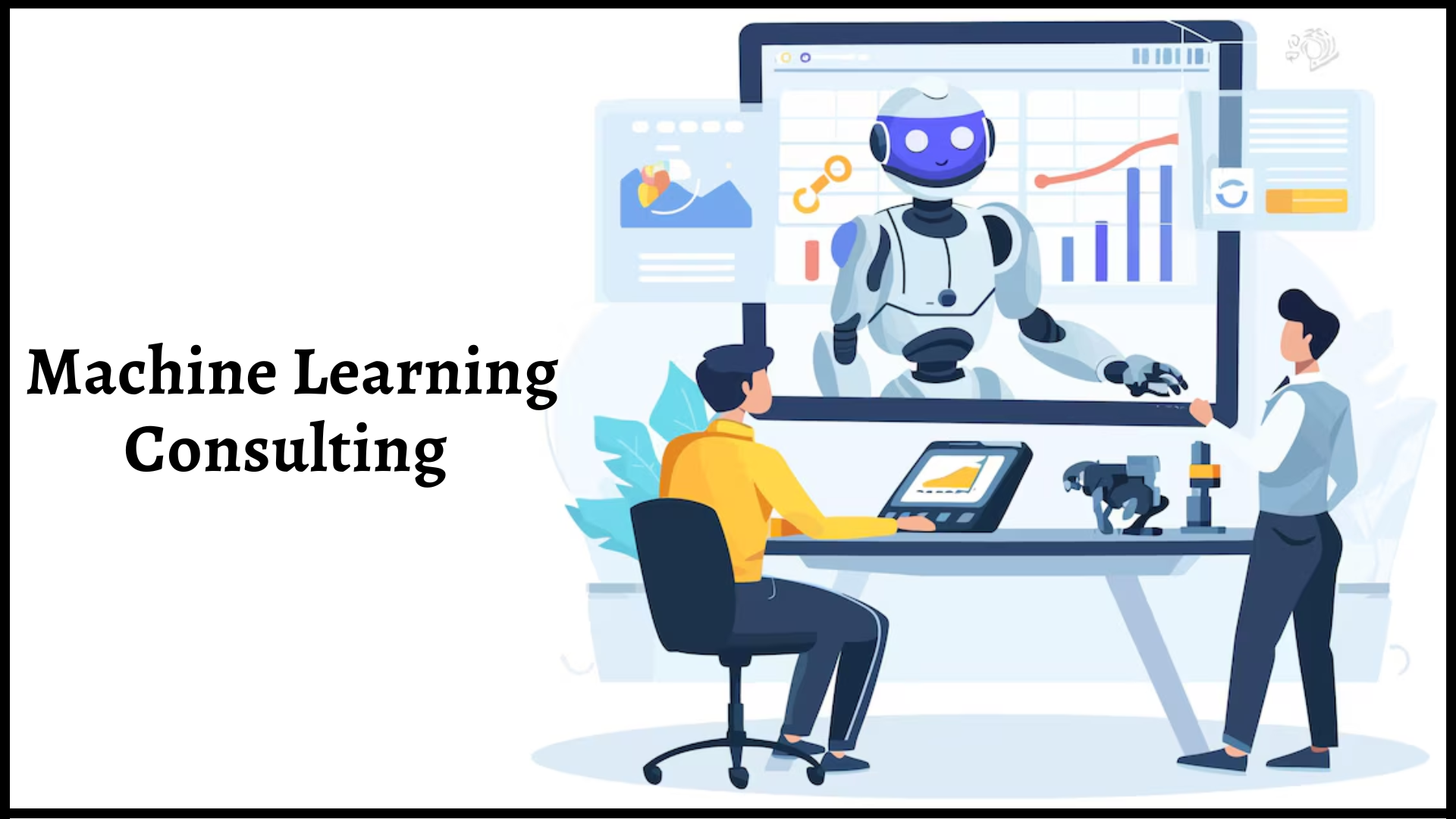
Choosing a machine learning consulting company is less about finding a vendor with the longest list of AI buzzwords and more about finding a team that can turn a business problem into a reliable, measurable production system.
Consulting firms can help with data engineering, model development, machine learning operations, generative AI, computer vision, NLP, recommendation systems, forecasting, and integration with existing enterprise software. The right partner depends on the use case, data maturity, deployment environment, governance requirements, and internal skills available after launch.
How to Evaluate a Machine Learning Consulting Company
- Relevant delivery experience: Look for projects similar to your industry and problem, not just generic AI case studies.
- Data engineering: Confirm the team can prepare, integrate, govern, and monitor the data the model depends on.
- MLOps: Ask how models are deployed, monitored, retrained, versioned, and rolled back.
- Business measurement: Define the operational KPI the model should improve.
- Security and governance: Confirm how sensitive data, access, model risk, and regulatory requirements are handled.
- Knowledge transfer: Clarify who will own the solution after implementation.
15 Machine Learning Consulting Companies to Consider
1. SparxIT
SparxIT provides software and digital product development services that include machine learning and AI. It may suit organizations looking for an external development team to build and integrate ML-enabled applications.
2. Webby Central
Webby Central works on software and digital solutions and can be considered for organizations seeking an external team for ML-enabled product development.
3. AppsChopper
AppsChopper focuses on mobile and web product development and can be relevant when machine learning needs to be embedded into customer-facing applications.
4. Edvantis
Edvantis provides software engineering and technology services, including data and AI-related development. It may fit organizations looking for broader engineering support around ML implementation.
5. NineTwoThree
NineTwoThree provides software product development and technology services and can be evaluated for organizations that need ML capabilities integrated into digital products and workflows.
6. HatchWorks AI
HatchWorks AI focuses on AI engineering and digital transformation, including generative AI and data-driven solutions. It can be relevant for organizations moving from experimentation toward production AI.
7. Alltegrio
Alltegrio provides AI, data, and software engineering services. Evaluate it when you need a delivery partner capable of combining ML development with broader product engineering.
8. Diffco
Diffco provides software development and AI/ML services, including solutions for predictive and intelligent applications. It may fit organizations looking for a product-development partner with ML capabilities.
9. Lucid Reality Labs
Lucid Reality Labs works across AI, extended reality, and digital solutions. It may be relevant where ML is part of an interactive, simulation, computer-vision, or immersive experience.
10. Six Feet Up
Six Feet Up provides Python, data, AI, and software engineering services. Its Python-oriented engineering background can be useful for organizations building data and ML systems that need maintainable application infrastructure.
11. Orases
Orases provides custom software development and can be evaluated when an ML initiative needs to be integrated into a larger business application or workflow.
12. Vention
Vention provides software engineering and AI development services across industries. Its larger engineering capacity can be relevant to organizations that need to scale a multi-disciplinary delivery team.
13. Azumo
Azumo specializes in software engineering and AI/ML development, including data-driven applications and intelligent automation. It can be considered for organizations seeking a dedicated external engineering team.
14. INOXOFT
INOXOFT provides custom software development and AI/ML services. It may suit organizations that need ML functionality integrated into an existing product or new digital platform.
15. Dreamers Inc.
Dreamers Inc. provides software development and AI/ML services. As with any consulting shortlist, verify current delivery capabilities, relevant case studies, team composition, and technical ownership before selecting a provider.
Do Not Compare Vendors on Hourly Rate Alone
Published hourly-rate and employee-count ranges on directory sites can become outdated quickly and may not represent the team assigned to your project. A better comparison looks at total delivery cost, seniority of the team, data-engineering effort, cloud and infrastructure costs, model-monitoring requirements, and the amount of internal work your organization must provide.
Questions to Ask During Vendor Evaluation
- Show us a project with a similar data and deployment environment.
- Who owns the model, data pipeline, prompts, code, and documentation after delivery?
- How will model quality be tested before production?
- How will drift, data-quality problems, and model failures be detected?
- What security controls apply to our data?
- What does the first production release include, and what is explicitly out of scope?
- How will the project demonstrate business value rather than just technical performance?
Machine Learning Consulting vs Building In-House
External consulting is often useful when you need specialist skills quickly, have a defined project, or want to validate an approach before hiring a permanent team. In-house development can be preferable when ML becomes a core capability requiring long-term ownership, domain expertise, and continuous iteration.
A hybrid model is often practical: use a consulting partner to accelerate architecture and the first production use case while building internal capability to operate and extend the system.
Final Takeaway
The strongest machine learning consulting partner is the one that understands both the model and the business process around it. Shortlist firms based on relevant delivery evidence, engineering depth, governance, operational ownership, and measurable outcomes. Verify current capabilities directly before signing a contract because vendor portfolios and service offerings change over time.
