

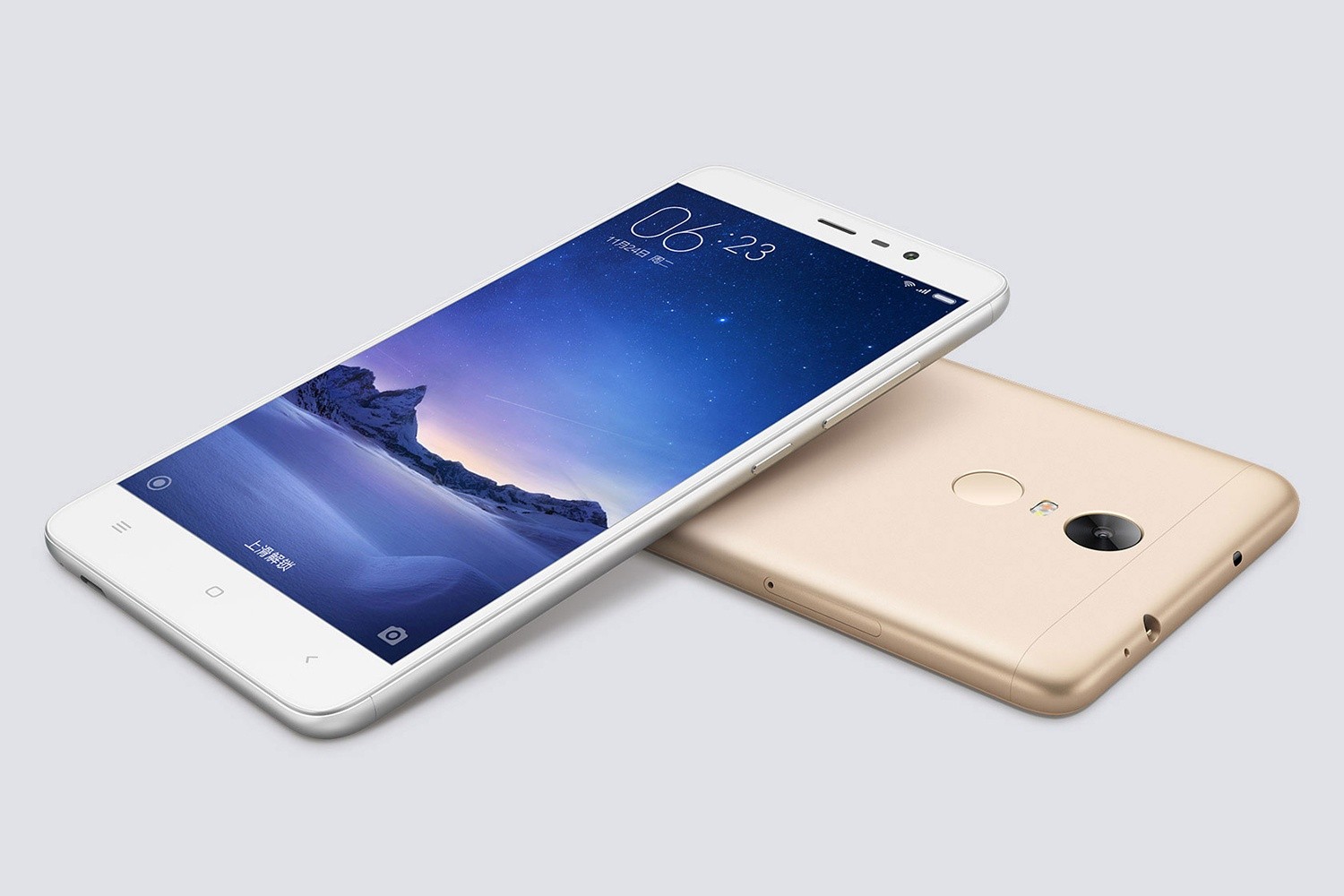
The Xiaomi Redmi Note 4 is a historical smartphone model from the mid-2010s. This article is intentionally positioned as an archival review rather than a current buying recommendation.
Why the Redmi Note 4 mattered
The Redmi Note 4 represented an important phase of the mid-range smartphone market, where buyers increasingly expected large displays, capable processors, useful cameras and strong battery life without paying flagship prices.
What made it attractive at the time
Its appeal came from the combination of price, battery-oriented design, mainstream Android experience and specifications that were competitive for its segment. Xiaomi’s value-focused approach helped make the Redmi Note line especially relevant to price-conscious buyers.
What has changed since then
Modern smartphones have moved substantially beyond this generation in camera processing, connectivity, display technology, software support, security features and performance. Battery capacity alone is therefore not a useful way to compare an older device with a current phone.
Should you buy one today?
For a primary smartphone, an old model such as the Redmi Note 4 should be evaluated mainly through software support, security, battery condition, network compatibility and availability of replacement parts. A low purchase price does not compensate for an unsupported device in many situations.
Historical takeaway
The Redmi Note 4 is worth remembering as an example of how aggressively the mid-range smartphone segment improved value. For current purchasing decisions, however, readers should compare contemporary devices using current software-support and security expectations.
